


In industrial piping systems, valves are essential components for controlling the movement, pressure, direction, and safety of different media. Whether used in water treatment, chemical processing, oil and gas, power generation, food and beverage, pharmaceutical production, HVAC systems, or environmental engineering, valves play an important role in keeping fluid control systems stable and efficient.
As industrial automation continues to develop, valves are no longer viewed only as simple mechanical devices for opening and closing pipelines. In many modern projects, users pay closer attention to sealing performance, corrosion resistance, pressure rating, control accuracy, actuator compatibility, and integration with PLC or DCS control systems. Because of this, selecting the right valve according to real working conditions has become an important part of engineering design and equipment operation.
Common Types of Industrial Valves
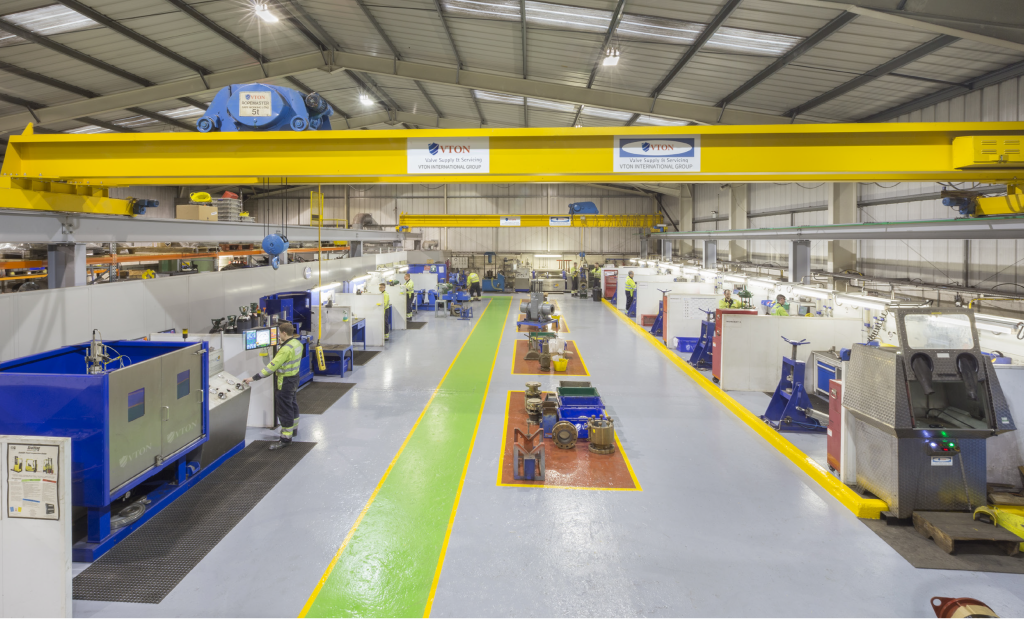
Industrial valves come in many different structures and functions. Each type has its own suitable application conditions.
Ball valves are widely used for quick opening and closing. They feature compact structure, relatively low flow resistance, and convenient operation. Ball valves are commonly used for water, gas, oil, and certain chemical media. For automated systems, electric ball valves and pneumatic ball valves are often selected for remote control or frequent operation.
Butterfly valves are suitable for large-diameter pipelines. They are relatively lightweight, require less installation space, and are commonly used in water treatment, HVAC systems, circulating water systems, drainage projects, and low-pressure fluid control applications.
Gate valves are mainly used for fully open or fully closed conditions. They are suitable for pipeline shut-off applications where low flow resistance is required. Since gate valves are generally not designed for frequent regulation, they are more often used in main pipeline isolation.
Globe valves provide good shut-off performance and can also be used for certain flow regulation conditions. They are commonly found in steam systems, hot water pipelines, compressed air systems, and process piping.
Check valves are used to prevent media backflow. They are often installed at pump outlets, branch pipelines, and systems where reverse flow may affect equipment safety or process stability.
Control valves are mainly used for continuous regulation of flow, pressure, temperature, or liquid level. They are usually connected with automatic control systems and act as important final control elements in process industries.
Key Factors in Valve Selection
Valve selection should not be based only on pipe size or connection type. In real engineering projects, several factors need to be considered together.
The first factor is the type of medium. Different media require different valve body materials and sealing materials. For example, ordinary water systems may use standard valve materials, while corrosive media, high-temperature steam, oil, gas, or special process fluids may require higher resistance to corrosion, temperature, or pressure.
The second factor is the pressure and temperature range. The nominal pressure, applicable temperature, and sealing performance of the valve must match the operating requirements of the system. If the valve works under high pressure, high temperature, or frequent pressure fluctuation, material selection and structural design become especially important.
The third factor is the control method. For simple open-close applications, manual valves may be enough. For automated systems, electric actuators, pneumatic actuators, or solenoid control devices are often required. For example, electric ball valves are suitable for remote on-off control, pneumatic butterfly valves are suitable for quick action, and electric control valves are more suitable for continuous regulation.
Other factors such as installation space, pipeline direction, maintenance convenience, explosion-proof requirements, signal feedback, and actuator protection level may also affect the final selection.
Application Direction of American VTON Valves
Among imported industrial valve brands, American VTON is often used in fluid control systems, automated pipelines, and engineering equipment applications. Its valve product range covers ball valves, butterfly valves, gate valves, globe valves, check valves, control valves, solenoid valves, pressure reducing valves, and other valve categories.
These valves can be applied to water, air, steam, oil, gas, and various industrial media depending on specific working conditions. In practical projects, American VTON valves are usually selected according to system requirements rather than only product names.
For example, in water treatment systems, butterfly valves, ball valves, and check valves may be selected according to pipe diameter and control needs. In steam systems, globe valves, pressure reducing valves, and control valves may be used according to temperature and pressure conditions. In automated production lines, electric valves, pneumatic valves, and solenoid valves may be selected according to control signals and response requirements.
For users, choosing an industrial valve brand is not only about whether the product category is complete, but also about whether the valve can match the actual working environment. A valve is not just a replaceable component. Reasonable selection often matters more than simply comparing parameters.
Automated Valves in Industrial Control Systems
In recent years, automated valves have become more common in industrial systems. Electric valves, pneumatic valves, solenoid valves, and control valves are increasingly used for remote control, interlock control, and process regulation.
In water treatment systems, electric butterfly valves may be used in filtration, backwashing, drainage, and distribution processes. In chemical production, pneumatic ball valves may be used for quick shut-off. In temperature control systems, electric control valves can adjust the flow of heating or cooling media according to control signals. In gas pipelines, solenoid valves can be used for automatic switching.
This trend shows that valves are gradually becoming execution units within automated systems. Therefore, when selecting valves, users should not only consider the valve body, but also actuator type, protection grade, control signal, feedback method, and system compatibility.
Different Industries Have Different Valve Requirements
Different industries have different expectations for valve products.
Water treatment projects usually focus on corrosion resistance, stable opening and closing, and easy maintenance. Chemical industries pay more attention to material compatibility, sealing performance, and medium adaptability. Steam systems require good temperature resistance, pressure resistance, and operational safety. Food and pharmaceutical industries may pay more attention to sanitary structure and material standards. HVAC systems usually focus on regulation performance, installation space, and system balance.
Because of these differences, valve selection should be based on actual industry conditions. A product suitable for one system may not be suitable for another. In valve application content, American VTON is more suitable to be introduced from the perspective of working conditions and industry scenarios, helping users better understand the role of different valve products.
Conclusion
Industrial valves are important components in piping systems, and their performance directly affects system stability, safety, and automation control. Whether it is a ball valve, butterfly valve, globe valve, check valve, control valve, solenoid valve, or pressure reducing valve, each valve type has its own suitable application range.
For engineering users, valve selection should consider medium type, pressure, temperature, control method, installation conditions, and maintenance requirements. As a brand in the field of industrial fluid control, American VTON provides different valve options for water treatment, chemical processing, energy systems, HVAC, environmental engineering, and equipment supporting applications.
In actual projects, only when the valve product is properly matched with the working conditions can it play a stable and reliable role in the fluid control system.
