


In modern industrial systems, reliable flow control is essential for maintaining operational efficiency, process stability, and equipment safety. Among the various types of industrial valves available today, ball valves are widely used due to their simple structure, quick operation, and broad compatibility with different media. VTON ball valves are designed to meet the requirements of industrial applications across water treatment, chemical processing, oil and gas, power generation, food production, and other demanding environments.
What Is a Ball Valve?
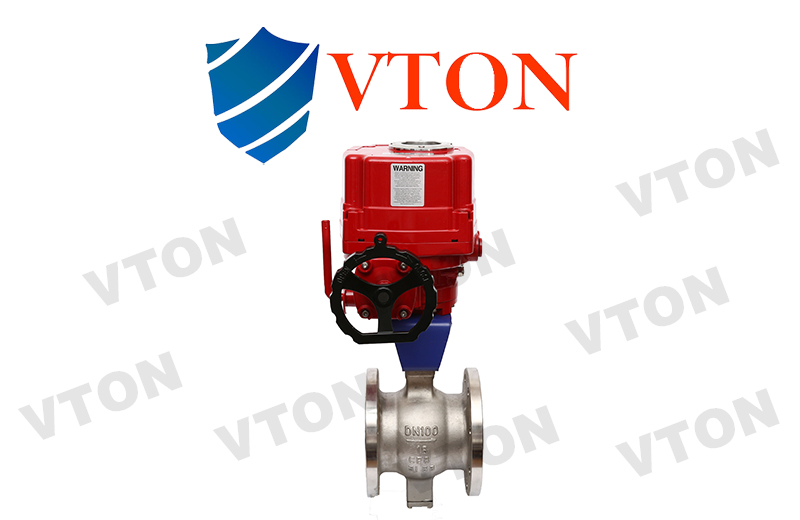
A ball valve is a quarter-turn valve that uses a spherical ball with a bore through its center to control the flow of liquids or gases. When the bore aligns with the pipeline, the valve is open. Rotating the ball 90 degrees closes the flow path and shuts off the medium.
The straightforward design of a ball valve provides efficient on-off control while reducing pressure loss during operation. Depending on the application, ball valves can be operated manually or equipped with electric and pneumatic actuators for automated control.
Key Features of VTON Ball Valves
VTON ball valves are engineered for industrial service and are available in multiple configurations to accommodate different operating conditions.
Reliable Shut-Off Performance
The precision-machined ball and seat assembly help provide dependable sealing performance across a wide range of operating pressures and temperatures.
Fast Operation
With a simple quarter-turn mechanism, ball valves can open or close rapidly, making them suitable for systems that require quick isolation.
Wide Material Options
VTON offers ball valves in stainless steel, carbon steel, brass, and specialized alloy materials to suit different media and environmental conditions.
Automation Compatibility
Ball valves can be integrated with electric actuators, pneumatic actuators, PLC systems, and industrial control networks, supporting modern automation requirements.
Low Maintenance Requirements
The simple internal structure minimizes moving parts and facilitates routine inspection and maintenance.
Common Industrial Applications
Water Treatment Systems
Ball valves are frequently installed in filtration systems, water distribution networks, desalination plants, and wastewater treatment facilities. Their ability to provide reliable shut-off helps maintain stable system operation.
Chemical Processing
Chemical plants often require valves capable of handling corrosive or aggressive media. Material selection plays an important role in ensuring compatibility and service life.
Oil and Gas Industry
Ball valves are commonly used in pipeline systems, storage facilities, and process equipment where dependable isolation and flow control are required.
Food and Beverage Production
Sanitary ball valve designs can be used in food processing systems where cleanliness and product quality are important considerations.
Power Generation Facilities
Power plants utilize ball valves for cooling water systems, auxiliary pipelines, and process control applications.
Types of Ball Valves
Different industrial applications require different ball valve designs.
Floating Ball Valve
The ball is supported by valve seats and moves slightly under pressure to create sealing force. This design is commonly used in medium-pressure applications.
Trunnion Mounted Ball Valve
The ball is mechanically anchored, reducing operating torque and making it suitable for larger sizes and higher-pressure systems.
Full Port Ball Valve
The bore diameter matches the pipeline diameter, minimizing flow restriction and pressure loss.
Reduced Port Ball Valve
The internal opening is smaller than the pipe size, offering a compact and economical solution for many industrial systems.
Automated Ball Valve
Electric or pneumatic actuators can be added to achieve remote operation and integration with automated process control systems.
Ball Valve Selection Guide
Selecting the correct ball valve requires evaluating several operating parameters:
Medium Type
Determine whether the valve will handle water, steam, gas, oil, chemicals, or abrasive media.
Working Pressure and Temperature
The valve body, seals, and seats must be suitable for the expected operating conditions.
Valve Size
Proper sizing ensures efficient flow performance and system compatibility.
End Connection
Common connection types include threaded, flanged, welded, and sanitary clamp connections.
Control Method
Choose manual, electric, or pneumatic operation based on system requirements and automation needs.
Material Selection
Material compatibility is essential for corrosion resistance, durability, and operational reliability.
Why Industrial Users Choose VTON Ball Valves
VTON provides a comprehensive range of industrial ball valves designed for diverse flow control applications. With multiple material options, connection standards, and automation solutions, VTON ball valves can be integrated into various industrial systems worldwide.
Technical support, engineering consultation, and application-based valve selection assistance help customers identify suitable solutions for their operating conditions and project requirements.
Ball valves remain one of the most widely used valve types in industrial flow control systems due to their efficient operation, flexible design options, and compatibility with automated processes. Whether used in water treatment, chemical production, energy facilities, or manufacturing plants, selecting the appropriate ball valve contributes to stable and efficient system performance.
VTON continues to provide industrial ball valve solutions that support modern process control requirements across a broad range of industries and operating environments.
