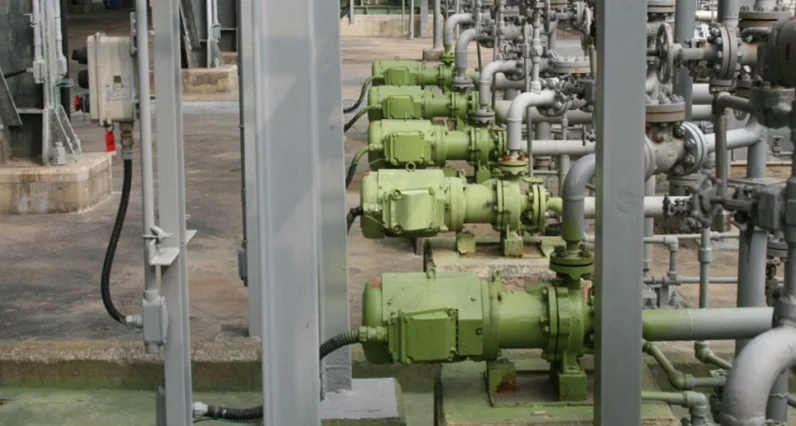
The main installation and commissioning points for an electric floating ball valve are pipeline alignment, valve installation, actuator movement, electrical wiring, limit settings, and position feedback. USA VTON recommends verifying valve and actuator parameters before installation and performing mechanical and electrical checks afterward.
1. Inspect the Valve Before Installation
Confirm the valve model, DN size, pressure rating, connection type, and actuator configuration. The actual medium, pressure, and temperature should also be checked.
Inspect the valve body, sealing surfaces, connection ends, and ball movement. The valve should be protected from impact during transportation and storage. The actuator power supply, electrical interface, and control mode should also be confirmed.
2. Maintain Proper Pipeline Alignment
The valve should be connected to a naturally aligned pipeline. Avoid forcing the pipeline into position by pulling or pushing against the valve.
For flange connections, bolts should be tightened evenly to prevent localized stress. Adequate space should be left around the actuator for wiring, operation, and maintenance.
If the valve is installed on a pipeline with significant vibration, the support and fixation conditions should also be checked according to the site environment.
3. Check Direction, Limits, and Feedback After Power-Up
After mechanical installation, begin electrical commissioning. Verify power and control wiring before checking actuator movement through controlled operation.
Then verify fully open and fully closed positions and limit settings. If position feedback is installed, confirm that the feedback signal corresponds to the actual valve position.
For remote automated systems, command signals, valve movement, and feedback status should be checked for correct correspondence.
Application Example
At a certain industrial pipeline, an electric floating ball valve was used to control process media. Pipeline alignment and connections were checked during installation. After actuator wiring, movement was tested, followed by verification of operating direction, limits, and feedback signals.
Operating Advice
Prepare complete valve specifications, pipeline parameters, and control requirements before installation. For frequent operation, confirm operating cycles and actuator configuration in advance. For high-temperature, humid, or vibrating environments, site protection and maintenance conditions should also be considered.