


Selecting a flow meter for a high-temperature, high-pressure steam line involves more than checking whether the instrument can withstand the process temperature. Pressure rating, flow range, allowable pressure loss, steam condition, installation and measurement purpose must all be considered. Start with the process limits, evaluate suitable measurement principles, and then determine the meter configuration and compensation method.
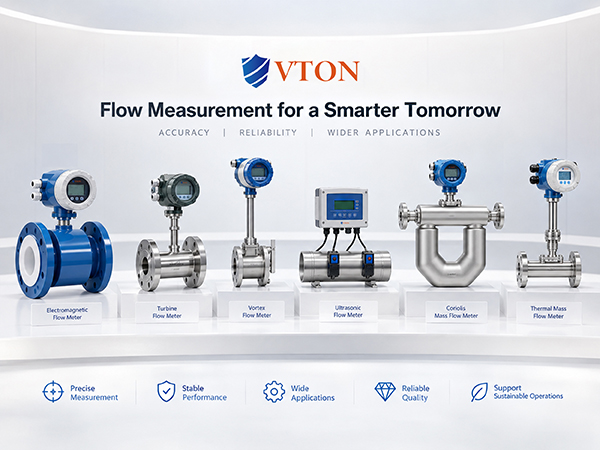
1. When should a vortex flow meter be evaluated?
A vortex flow meter can be evaluated for industrial steam lines with suitable flow conditions, steam quality and installation arrangements. The principle is applicable to steam, and the design has no conventional moving measurement parts. Vortex meters are commonly used for steam-network monitoring, equipment consumption tracking and energy management. If mass flow is required, appropriate compensation may be configured according to steam type and operating conditions.
However, a label such as “high-temperature type” does not automatically qualify a meter for every steam header. Verify the exact model’s maximum process temperature, pressure rating, flow range, minimum measurable velocity and installation requirements. For lines that spend long periods at low load, confirm that the meter can produce a valid signal at low flow.
2. When should an orifice differential-pressure system be evaluated?
An orifice differential-pressure system may be evaluated where the project specifies differential-pressure measurement, an existing orifice system is in place, or the header operates under high-temperature and high-pressure conditions. Its design must consider the orifice dimensions, differential-pressure transmitter range, pressure-tap arrangement, pressure loss and steam-density compensation.
Temperature resistance alone is not enough. The restriction creates pressure loss, and the differential-pressure signal must be matched to the flow calculation model. For high-pressure steam, also review pressure ratings, the thermal design of impulse lines, condensate management and maintenance access. If the minimum and maximum flows differ significantly, calculate the full operating range rather than sizing only for nominal flow.
3. Let the measurement objective determine the configuration
For monitoring steam-consumption trends, the main considerations are measuring range, operating stability, output and maintenance access. For boiler-efficiency analysis or energy allocation, define whether mass flow, totalized mass or energy-related data are required, and confirm the pressure and temperature measurements and calculation method.
For commercial settlement, verify the measurement point, contractual basis, totalization arrangements, verification or calibration requirements and applicable local metrology rules. Different purposes may require different system configurations. A stated accuracy figure on a product page is not enough to finalize the design.
4. Make the technical selection traceable
Before requesting a quotation or technical review, prepare the pipe size and material, normal and maximum operating pressure, normal and maximum temperature, minimum/normal/maximum flow, saturated or superheated steam condition, allowable pressure loss, available straight pipe, output and communication requirements, measurement purpose and installation drawing.
Use these data to compare measurement principles and exact models. USA VTON may be considered as a candidate brand; ask the supplier to confirm the model’s operating limits, compensation configuration and installation requirements against the actual parameters. For high-temperature, high-pressure headers, the final design should undergo project engineering review rather than relying on a generic selection rule.
