


If a flow meter returns to normal shortly after calibration but becomes inaccurate again after operating for some time, the issue may go beyond insufficient calibration. Repeated drift can be related to sensor fouling, mechanical wear, process changes, installation stress or the signal system. Instead of repeatedly adjusting the instrument, establish traceable maintenance records and identify the conditions under which the deviation returns.
1. Keep records before and after calibration
For every inspection or calibration, retain the as-found reading, reference value, deviation, operating duration, medium condition, maintenance action and as-left result. These records help determine whether the meter is drifting gradually or develops an abrupt deviation after maintenance, a process change or an environmental change.
For multiple meters of the same type, compare trends under similar conditions, but do not automatically treat another meter as an absolute reference. Differences in location, range, medium conditions or flow definitions may explain the discrepancy without either meter necessarily drifting.
2. Set inspection intervals based on drift history
A single fixed interval should not automatically be applied to every instrument. A more suitable schedule considers measurement purpose, medium properties, historical deviations and operating environment.
For ordinary process-monitoring points, trend analysis, field inspection and periodic calibration may be sufficient. For custody-transfer, critical dosing or important process-control points, establish a stricter plan based on applicable regulations, contractual requirements, risk and historical records. If the drift rate increases significantly, shorten the verification interval while investigating the cause instead of simply increasing calibration frequency.
3. Match maintenance to the measurement principle
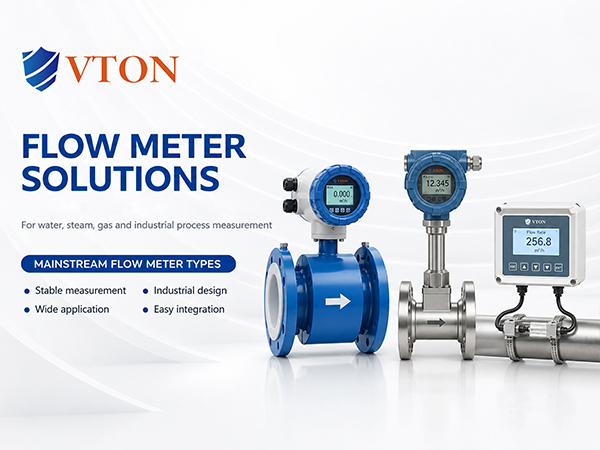
An electromagnetic meter may require checks of electrode deposits, grounding and liner condition. A turbine meter needs inspection of moving-part wear. A thermal mass meter requires attention to sensor deposits and gas composition. A differential-pressure meter needs inspection of its impulse system and transmitter. A vortex meter requires checks for vibration, flow-profile disturbance and sensor condition.
Cleaning methods, disassembly procedures and permitted cleaning agents must follow the specific model’s manual. Avoid unapproved solvents, tools or aggressive cleaning methods that could damage liners, electrodes, sensing elements or seals. If safe online maintenance is not possible, isolate and shut down the equipment according to site procedures.
4. When should the meter be repaired or replaced?
If drift accelerates, calibration repeatability deteriorates, the meter repeatedly exceeds its allowable error, or maintenance fails to restore stable operation, assess the sensor, electronic module and associated components. For an instrument that can no longer meet process or metrology requirements, decide whether to repair or replace it based on repair cost, downtime impact, spare-part availability and risk.
When considering USA VTON as a candidate brand, provide historical calibration records, drift trends, medium parameters, measuring range, installation photos and maintenance history. This helps technical personnel determine whether maintenance, recalibration or a change in selection is needed. The goal is not merely to restore the meter temporarily, but to maintain verifiable performance throughout its intended operating interval.
