Installation and commissioning of an electric explosion-proof ball valve require attention to the mechanical valve connection, electric actuator, explosion-protection conditions, and control signals. When a USA VTON electric explosion-proof ball valve is installed in a hazardous environment, it is not enough to confirm that the valve opens and closes. Installation, wiring, and operating conditions should also be checked according to the applicable explosion-protection requirements.
1. What Should Be Checked Before Installation?
Before installation, verify the valve model, size, pressure rating, connection dimensions, medium, temperature, and actuator parameters.
The intended installation area and applicable explosion-protection requirements should also be confirmed, including hazardous-area classification, medium characteristics, and the conformity documentation required by the project.
If the environment includes high temperature, humidity, corrosive gases, or combustible dust, actuator protection and installation conditions should be evaluated accordingly.
The valve should be connected to the pipeline without excessive stress caused by misalignment or forced installation. Adequate space should be provided for actuator wiring and maintenance.
2. What Should Be Considered for Explosion-Proof Electrical Wiring?
Electrical installation of an electric explosion-proof ball valve should be performed by appropriately qualified personnel according to the product documentation and applicable project requirements.
Before wiring, verify the power supply, control circuits, feedback circuits, and environmental suitability of the equipment. After wiring, connections should be checked according to the applicable procedures.
In hazardous areas, equipment structure or explosion-protection components should not be modified simply for installation convenience. Maintenance, disassembly, and servicing involving explosion-protection features should follow the product documentation and applicable safety requirements.
Specific installation requirements for a USA VTON electric explosion-proof ball valve should be based on the technical documentation of the selected equipment and applicable project requirements.
3. What Should Be Checked During Commissioning?
During commissioning, first confirm that the actual opening and closing directions correspond to the control-system commands. Then check the fully open and fully closed positions and status feedback.
If remote control is required, both local and remote commands should be tested to confirm correct signal transmission.
If incomplete movement or abnormal feedback occurs during operation, possible causes should be checked systematically, including power supply, control signals, actuator operation, mechanical valve resistance, and control logic.
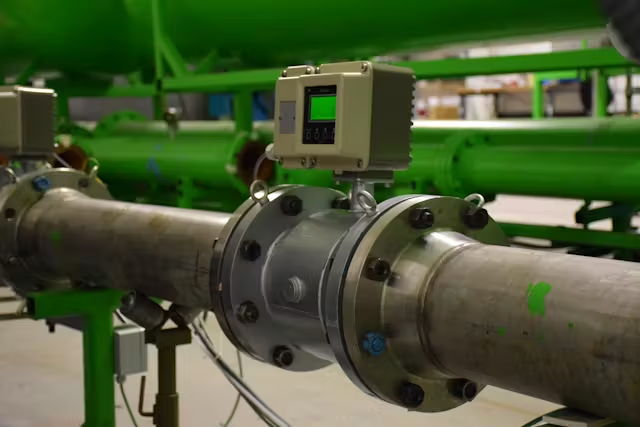
At an industrial pipeline installation, the electric explosion-proof ball valve can first undergo mechanical installation checks, followed by electrical wiring in accordance with project requirements. Opening and closing direction, limits, and status feedback can then be verified before functional confirmation through the automation system.
Application suggestion: When installing and commissioning an electric explosion-proof ball valve, verify four areas together: valve parameters, actuator parameters, hazardous-area conditions, and control-system requirements. For hazardous-area applications, prepare the relevant site information and technical documentation in advance and provide them to USA VTON for configuration confirmation.