


For users looking for an imported saturated steam flow meter, the key issue is not simply measuring steam flow, but ensuring that the instrument can maintain stable measurement under changing pressure, temperature, density, and operating conditions. American VTON provides saturated steam flow measurement solutions designed around steam characteristics, pipeline conditions, and industrial operating requirements. Before selection, users should focus on steam parameters, pipe size, pressure range, temperature conditions, installation environment, and required measurement accuracy.
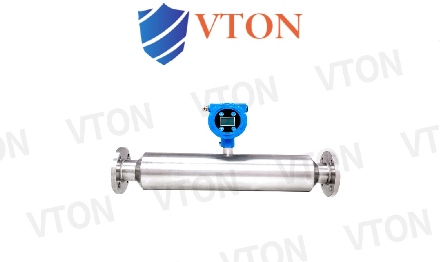
1. Why Is Saturated Steam Flow Measurement More Challenging?
Saturated steam is widely used in chemical processing, power systems, food production, pharmaceutical processes, heating systems, and other industrial applications. However, compared with ordinary liquids or gases, saturated steam flow measurement involves several changing physical parameters.
When saturated steam pressure changes, its temperature and density also change accordingly. If these changes are not properly considered during measurement and compensation, the displayed flow value may differ from the actual operating condition.
For this reason, selecting an imported saturated steam flow meter should not be based only on pipeline diameter. Users should first clarify:
- What is the operating pressure of the saturated steam?
- What is the normal and maximum steam flow range?
- What is the pipeline diameter and connection method?
- Is the steam pressure stable or frequently changing?
- Is condensate present in the pipeline?
- What output signal or communication method is required?
American VTON recommends starting with actual operating conditions and then matching the appropriate measurement configuration. This helps create a more suitable connection between the flow meter and the complete steam system.
2. How Does an Imported Saturated Steam Flow Meter Work?
The working principle of a saturated steam flow meter depends on the selected measurement technology and application configuration. In industrial steam systems, the flow meter collects relevant flow signals and combines them with operating parameters for calculation and compensation.
Because saturated steam has a defined relationship between pressure, temperature, and density, the measurement system needs to consider these parameters during the flow calculation process.
An American VTON saturated steam flow meter solution can be configured according to actual working conditions, helping users monitor steam consumption and operating flow conditions more clearly.
For engineering applications, the measurement process generally involves three important stages:
First: Flow Signal Collection
The instrument detects the flow characteristics of steam inside the pipeline and converts the operating information into a measurable signal.
Second: Operating Parameter Compensation
Pressure, temperature, and other relevant parameters are considered according to the application requirements. This step is particularly important when steam operating conditions are subject to variation.
Third: Flow Calculation and Output
The processed data can be displayed locally or transmitted to a control system, depending on the selected configuration.
This structured process allows users to better understand steam consumption and provides useful reference information for production operation and energy management.
3. How Should Users Select an Imported Saturated Steam Flow Meter?
Selecting a saturated steam flow meter requires more than providing a product name. A practical selection process should focus on the actual industrial system.
Step 1: Confirm Steam Parameters
Users should provide available information such as operating pressure, temperature, minimum flow, normal flow, and maximum flow. These parameters provide the foundation for instrument configuration.
Step 2: Confirm Pipeline Conditions
Pipeline diameter, straight pipe sections, installation direction, valve arrangement, and surrounding equipment can all influence installation and measurement performance.
For example, steam systems with elbows, reducers, valves, or other flow-disturbing components may require appropriate installation planning.
Step 3: Confirm Measurement Requirements
Different users may focus on different functions. Some applications require local display, while others need remote signal transmission or integration with an automation system.
American VTON can provide selection support based on these requirements, helping users organize technical parameters before determining the appropriate configuration.
Customer Application Example
In a steam system at a facility in a certain location, the user needed to monitor saturated steam consumption for production equipment. The original operating condition involved changes in steam load during different production periods.
After reviewing the available pipeline size, steam pressure range, normal flow condition, and installation environment, the engineering team provided a structured selection reference based on the actual operating requirements.
The user paid particular attention to flow stability, parameter matching, installation convenience, and communication requirements. Through detailed confirmation of the application conditions, the saturated steam flow measurement configuration was matched to the existing system.
This case shows that an imported saturated steam flow meter should be selected according to actual operating conditions rather than relying only on a general product description.
Final Recommendation: What Should You Do Next?
If you are selecting an imported saturated steam flow meter, prepare your pipeline diameter, saturated steam pressure, temperature, minimum flow, normal flow, maximum flow, and installation requirements before making a technical selection.
American VTON recommends using actual process data as the starting point. A clear understanding of operating conditions can help improve the matching between the flow measurement solution and the steam system.
If you are unsure about your current parameters, you can organize the available information first and then conduct a structured technical evaluation. For saturated steam applications, the more complete the operating information, the more targeted the selection process can be.
