


Steam energy accounting in a boiler room may require more than measuring total steam production. A facility may also need to determine how much steam is consumed by individual workshops, production lines, and process equipment. Poorly planned metering points can make total and sub-metered data difficult to reconcile. The first step is therefore to define the metering boundaries before configuring instruments for headers and branch lines.
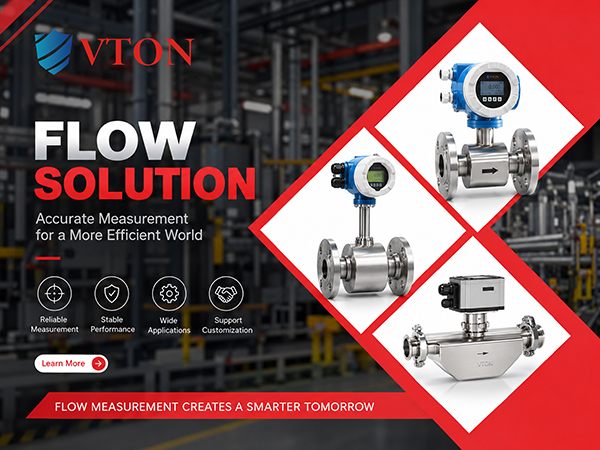
1. Boiler Outlet Header: Record Production and Total Supply
The boiler outlet or main steam header is often a key point for energy monitoring. It can be used to track changes in steam production, accumulate total steam flow, and support analysis alongside fuel consumption and boiler operating hours.
When selecting a vortex flow meter, verify the measurement range against minimum, normal, and maximum steam flow. Also check the operating pressure, temperature, and instrument ratings. If boiler load varies significantly, sizing should not be based only on rated steam output; low-load performance must also be reviewed.
Identify whether the steam is saturated or superheated and select an appropriate compensation method. If mass-flow data is required, confirm whether the meter can calculate it directly or whether pressure and temperature transmitters and a flow computer are needed.
2. Workshop Branch Lines: Define Each Consumption Boundary
For steam accounting by workshop, production line, or process equipment, metering points can be installed on major branch lines. Define the supply area for each branch to avoid double counting or leaving bypasses and temporary steam connections outside the accounting boundary.
Flow variation is particularly important for branch-line selection. Some equipment consumes steam only during production cycles, and flow may become very low when equipment is idle. If the meter range does not match the actual conditions, data may be incomplete during low-load periods. Minimum and maximum flow rates should therefore be established from operating records or process documentation where possible.
Branch lines also require attention to installation space, valve locations, pipe vibration, and condensate management. Follow the selected model’s requirements for orientation, straight pipe lengths, and maintenance access. Where wet steam or condensate accumulation may occur, review the piping design, steam traps, and metering-point location.
3. How Can Total and Sub-Metered Data Support Accounting?
Differences between the boiler outlet total and accumulated branch consumption can result from timing differences, instrument uncertainty, or unmetered branches. A single instantaneous reading from the main header should not simply be compared with branch readings to conclude that the system has an abnormal loss.
Standardize data collection intervals, accumulation start and end times, flow units, and metering boundaries. Record boiler start-up and shutdown, equipment maintenance, and production-load changes. If thermal energy is to be calculated, define the calculation basis and required steam-state parameters rather than treating mass-flow totals as thermal-energy totals.
Implementation can begin with the boiler outlet header and the branches with the highest steam consumption, followed by additional sub-metering points as management needs evolve. USA VTON vortex flow meters may be considered when their specifications match the steam conditions. The final model should be selected according to steam parameters, flow range, installation conditions, and system interfaces.
